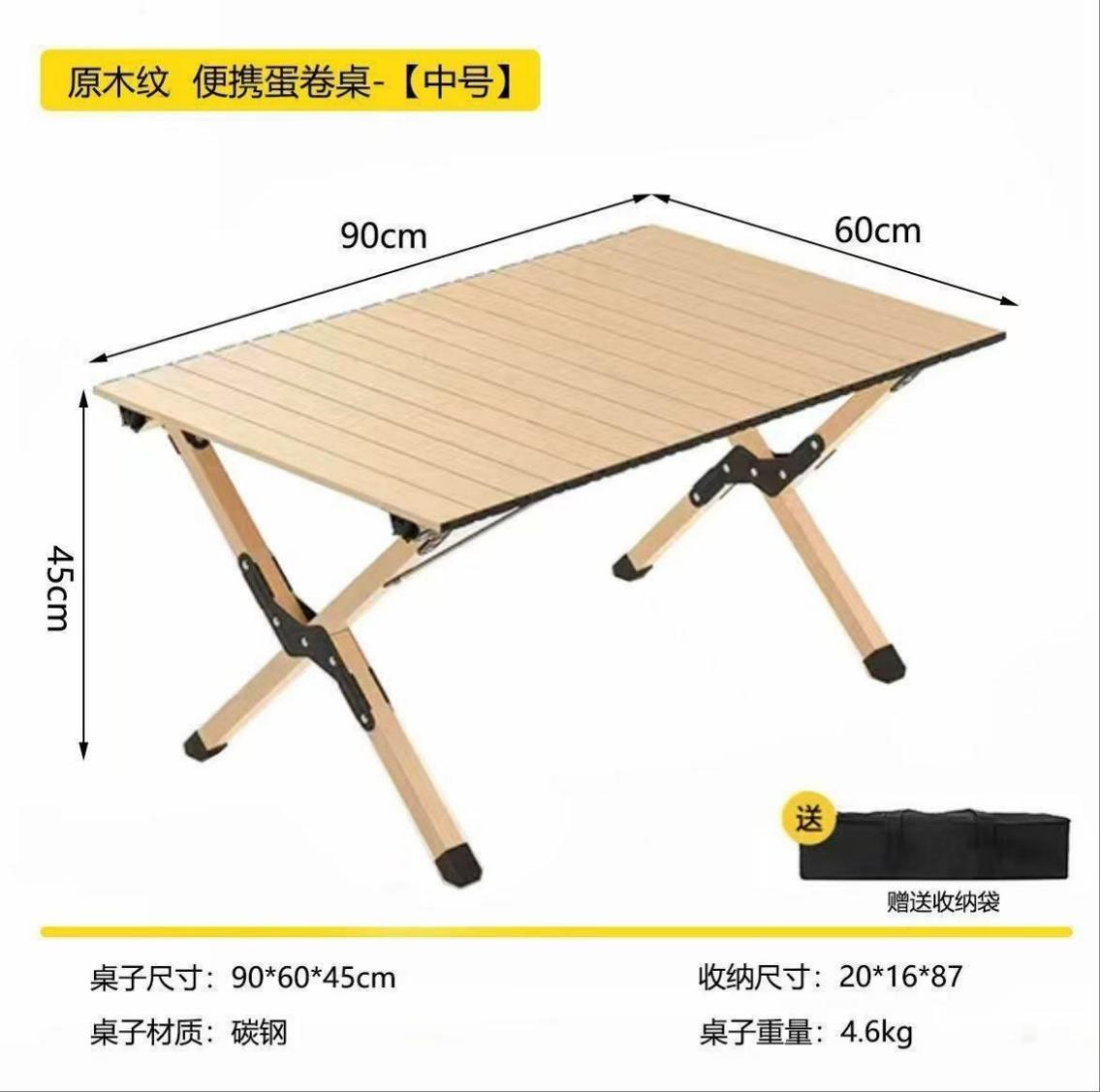

A mixed container allows an importer to combine products from several suppliers and categories into one export shipment. For supermarkets, distributors, and multi-category retailers, this can be more commercially useful than filling a container with one product. Yiwu is well suited to this model because many product categories are concentrated in one trading ecosystem.
This guide explains how to combine camping gear, toys, beauty products, and other non-food merchandise without losing control of cost, quality, documents, or loading.
1. Start with a sales plan, not a supplier list
Define the target customer, retail channels, price bands, and expected sales period. Allocate the buying budget by category and role. Camping products may provide seasonal demand, toys may provide impulse and gift sales, and beauty accessories may provide repeat purchase and compact carton efficiency.
Use a SKU plan showing target quantity, estimated unit cost, expected retail price, margin, carton volume, and product role. This prevents the container from becoming a collection of unrelated offers.
2. Control volume as carefully as value
Container planning is driven by cubic metres and weight, not only purchase value. Folding furniture and bulky toy packaging may consume space quickly. Beauty accessories and smaller camping items may use space more efficiently. Ask every supplier for carton dimensions, carton quantity, gross weight, and net weight before confirming quantities.
Maintain a live volume estimate and reserve space for carton variation, pallets if required, and loading practicalities.
3. Standardize the information collected from every supplier
Use one purchase-order template and one packing-data template. Collect company details, product code, description, specification, quantity, unit packing, carton quantity, carton size, weight, production time, sample status, inspection status, and required documents.
When information is collected in different formats, errors become more likely during consolidation and customs-document preparation.
4. Use category-specific quality checks
Camping lights may require charging and function tests. Folding stools require stability and workmanship checks. Toys require age, small-part, function, packaging, and document review. Beauty tools require material, cleanliness, odour, workmanship, and packaging checks.
Create one master inspection plan, but keep product-specific checkpoints. A generic visual inspection is not enough for every category.
5. Synchronize supplier delivery dates
A mixed shipment is only ready when every approved supplier has delivered the correct goods to the consolidation point. Track production dates and build a realistic cutoff. Late suppliers can create storage cost, booking changes, or missed shipping schedules.
Do not accept unapproved substitutions simply to meet the loading date. Resolve shortages or delays transparently with the buyer.
6. Verify documents before loading
Review the commercial invoice, packing list, product descriptions, quantities, weights, marks, and available certificates before loading. Battery products, liquids, magnets, wood packaging, and regulated goods may need additional documents or shipping arrangements.
Work with a freight forwarder and customs broker who understand the destination requirements and the actual product mix.
7. Keep a clear approval trail
Save approved samples, specifications, artwork, quotations, purchase orders, inspection results, and loading records. This makes repeat orders easier and helps resolve discrepancies. After delivery, record sales performance and customer feedback by SKU so the next container is more focused.
Examples from our current wholesale catalogue
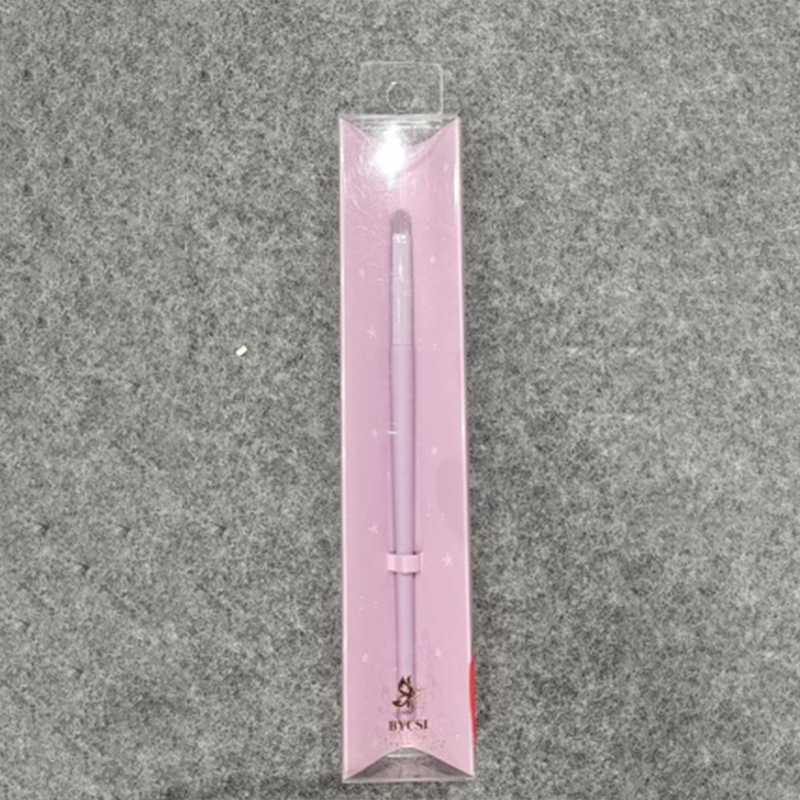
The products below are examples from the live Yiwu Trade Link catalogue. Availability, packaging, minimum order quantity, and buyer pricing should always be reconfirmed before ordering.

Build your next mixed shipment with Yiwu Trade Link
Yiwu Trade Link supports product shortlisting, supplier coordination, RFQ comparison, sample follow-up, packaging checks, inspection, consolidation, and export shipping. Browse our wholesale catalogue, read our category guides, or submit an RFQ with your target categories, budget, destination, and container plan.